
Autism & communication
Many autistic children understand information shown in pictures more easily than in words. A visual schedule helps them know what will happen and move between activities more calmly. Emotion worksheets make naming feelings easier, and a simple communication board offers a way to show a need when speaking is hard.
Everything is labelled in the language you choose, with consistent, clear picture symbols. Laminate the sheets and use them every day in the same situations.
Worksheet types
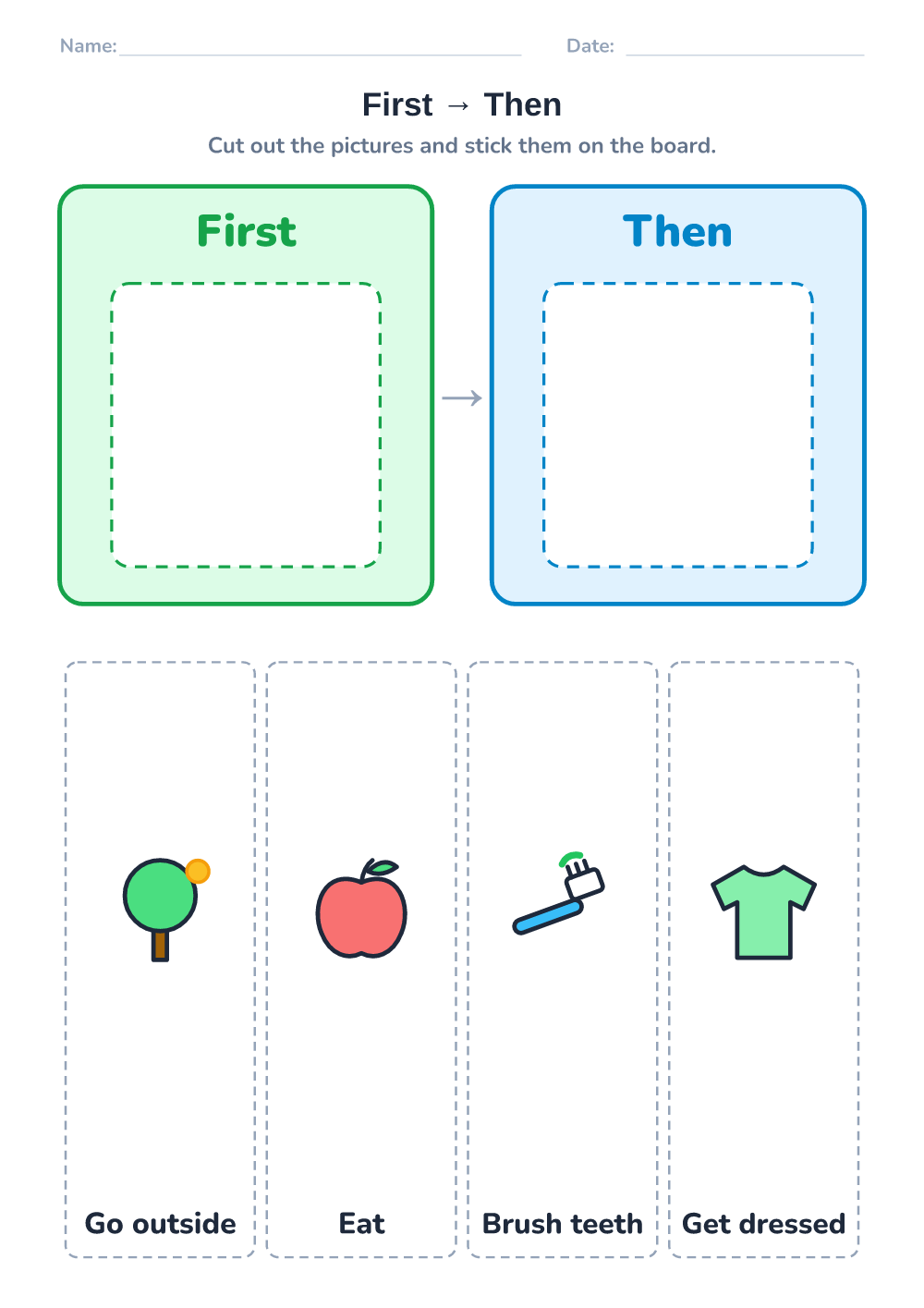
Visual schedulePrintable visual schedule with picture symbols. Helps a child know what comes next and makes transitions easier. A4.15 worksheets
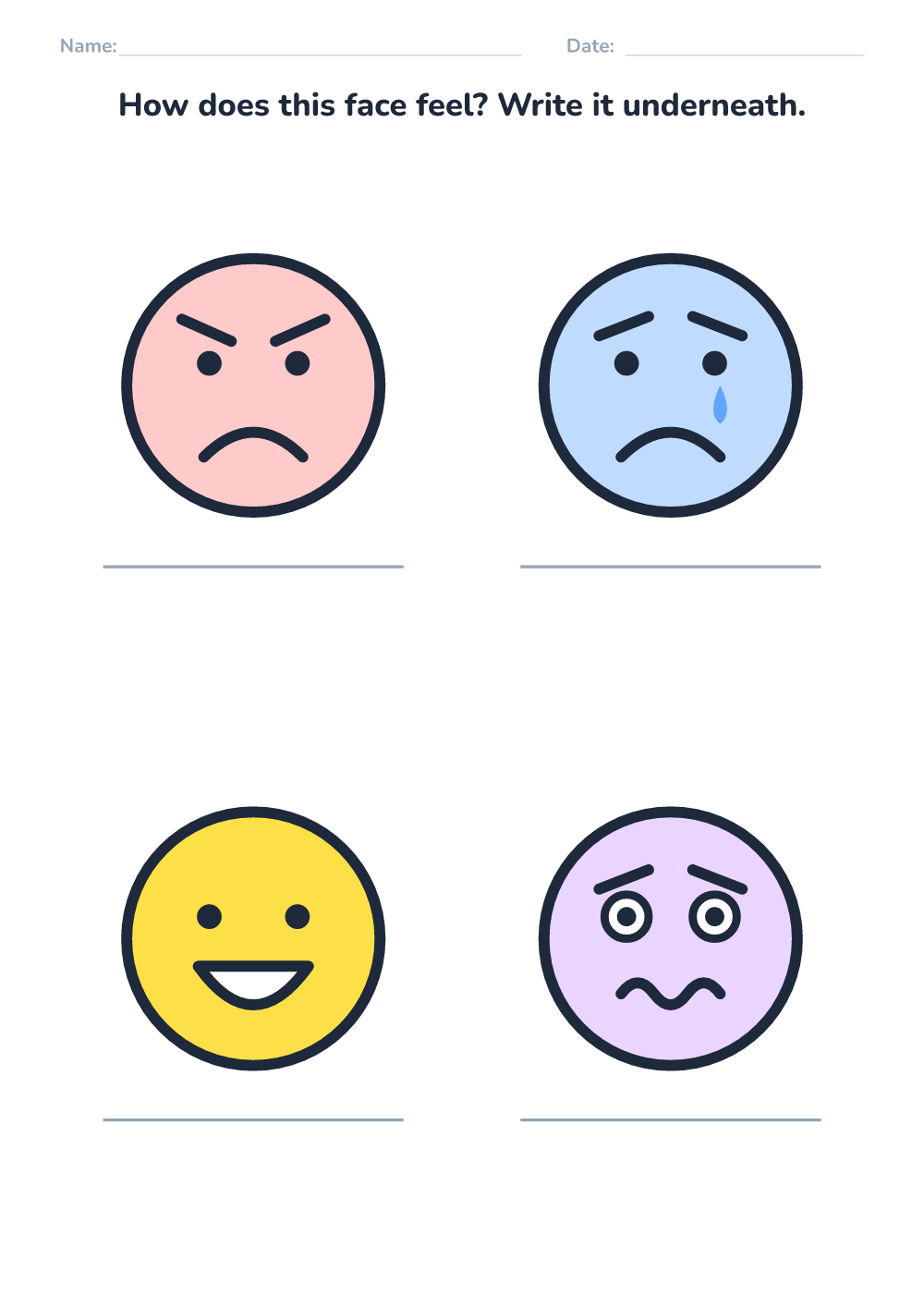
Emotions worksheetWorksheets for recognising and naming emotions from facial expressions. Support social and emotional skills. A4.15 worksheets
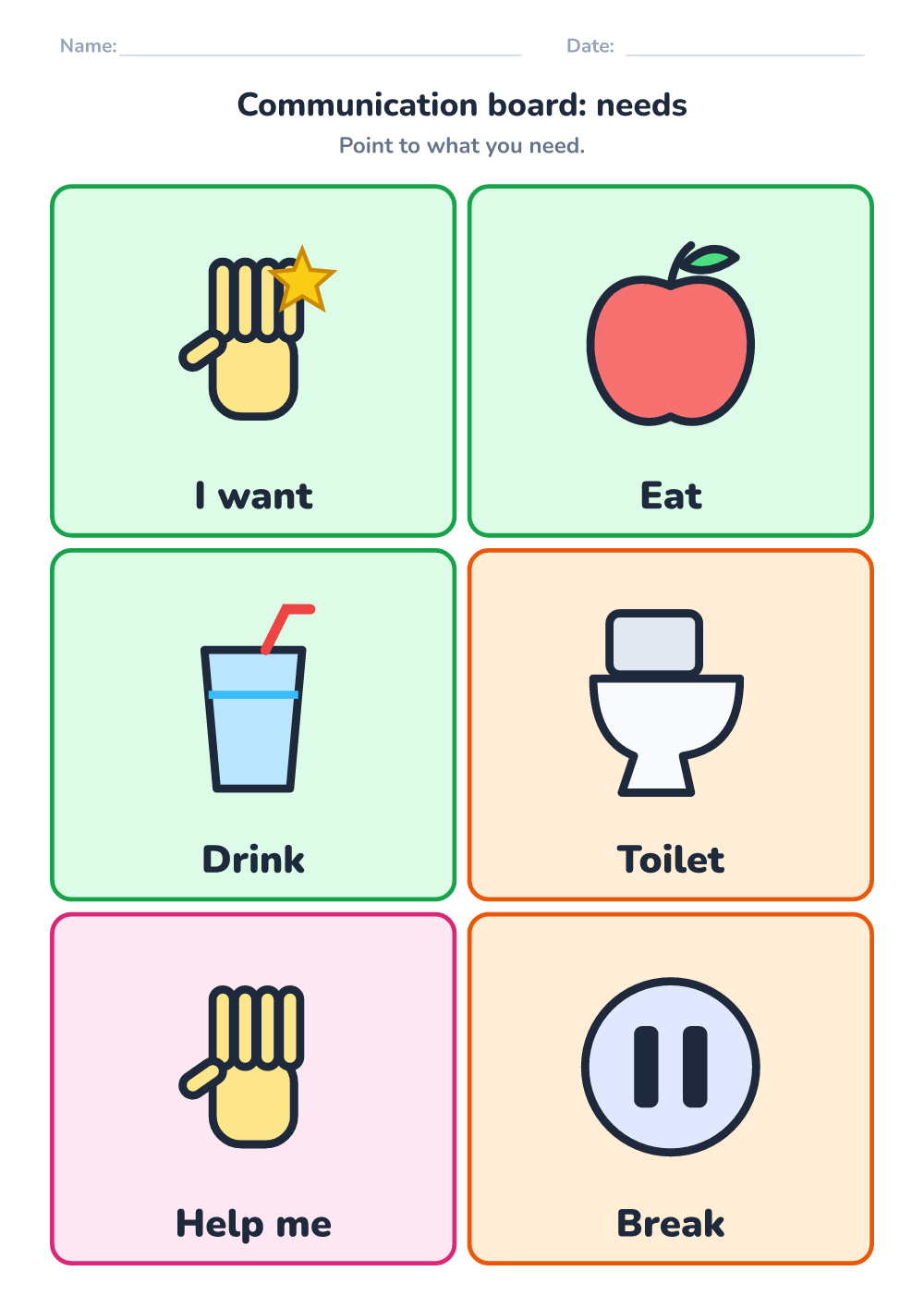
Communication boardA simple communication board with pictures and words, colour-coded by word type. Helps a child show what they need. A4.6 worksheets
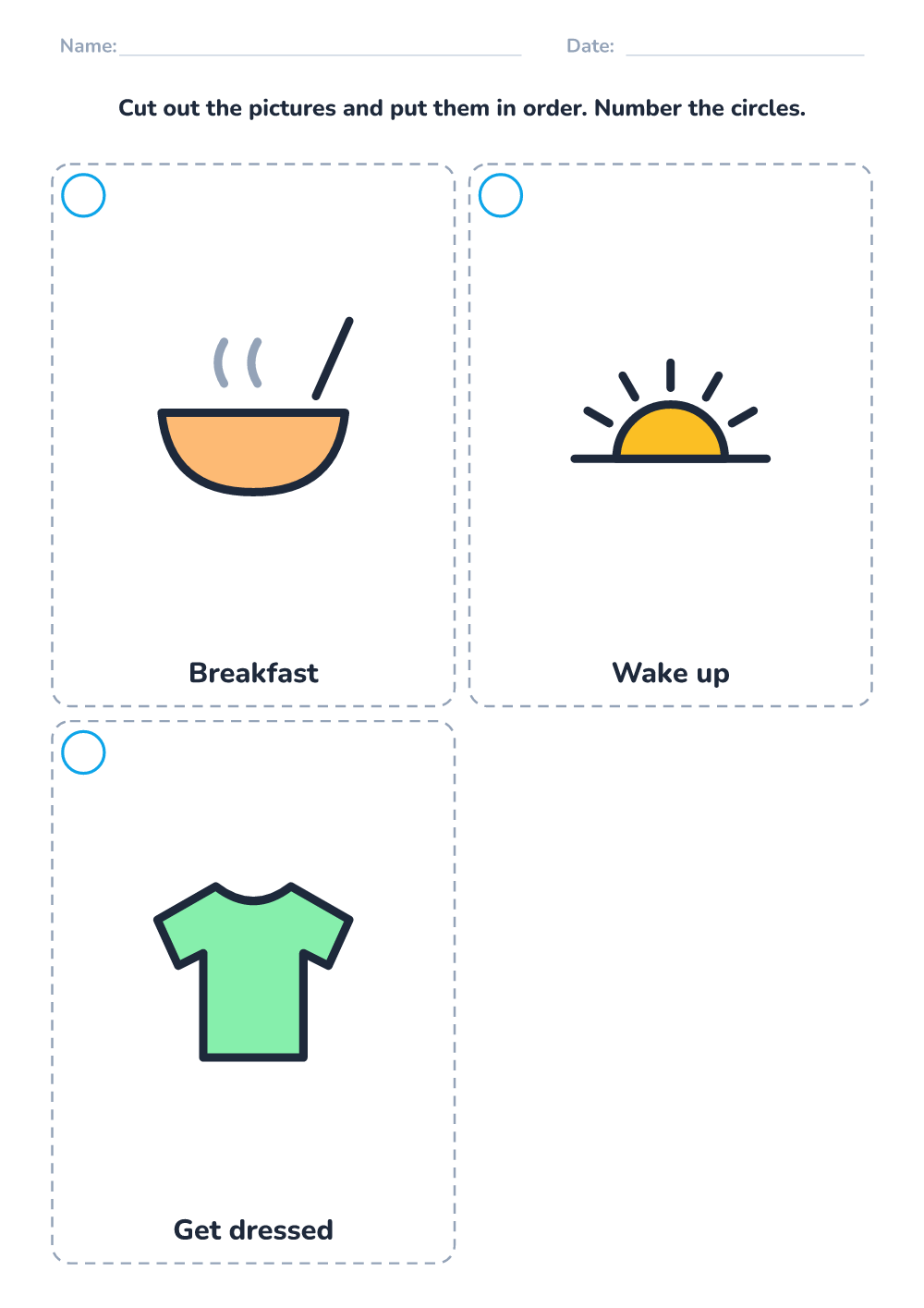
Picture sequencingEveryday activity pictures to cut out and put in order. Practise understanding sequences. A4.18 worksheets
Frequently asked questions
How do I introduce a visual schedule?
Start with one short routine (for example, the morning). Go through the pictures together and tick off each step. After a few days many children start using the schedule on their own.
Does a communication board replace speech?
No — research shows that augmentative and alternative communication (AAC) often supports speech development. A speech and language therapist can help choose the right system.
Can I change the pictures?
Yes. The first–then version includes cut-out pictures you can attach with Velcro and swap during the day.