
Letter discrimination
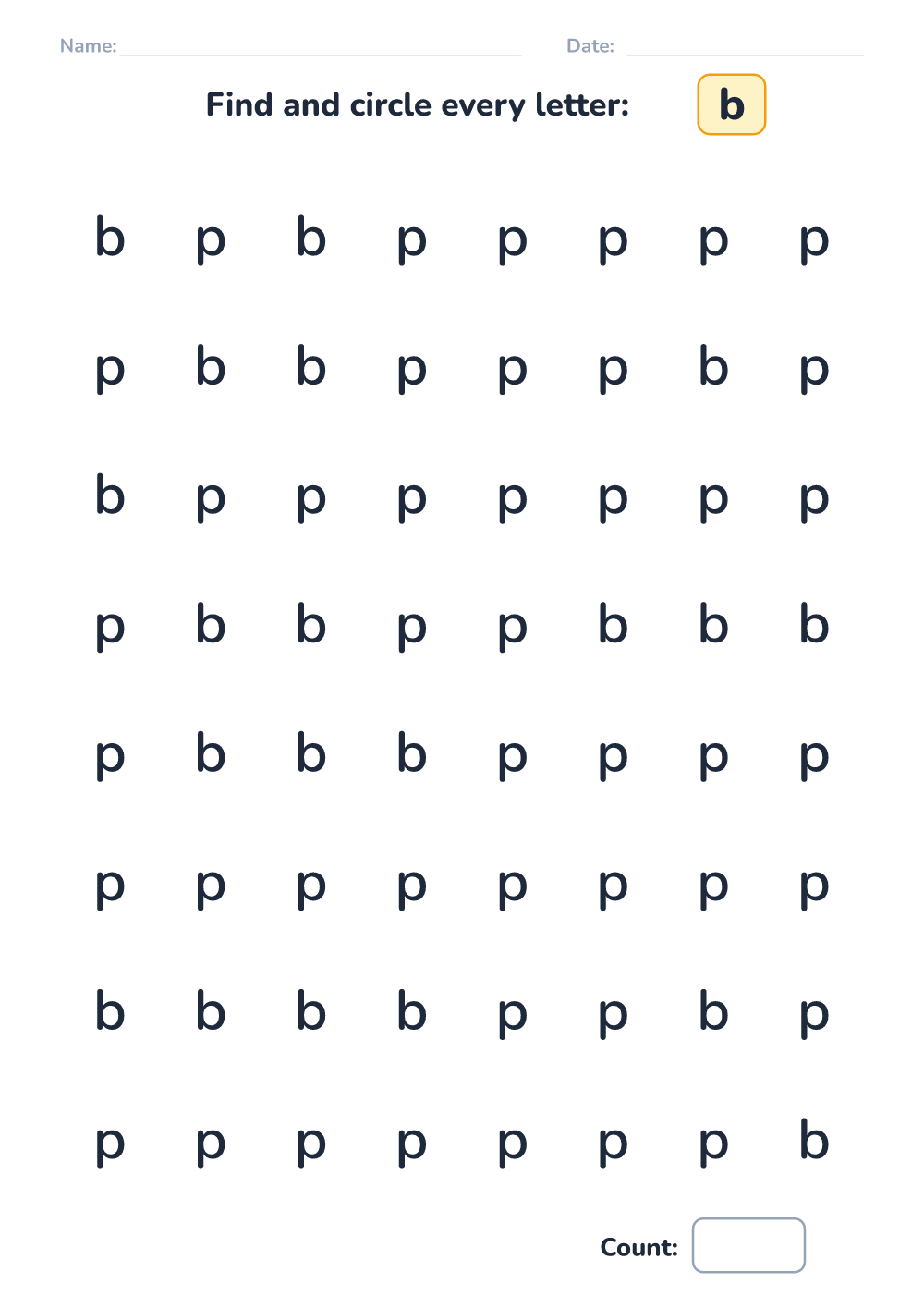
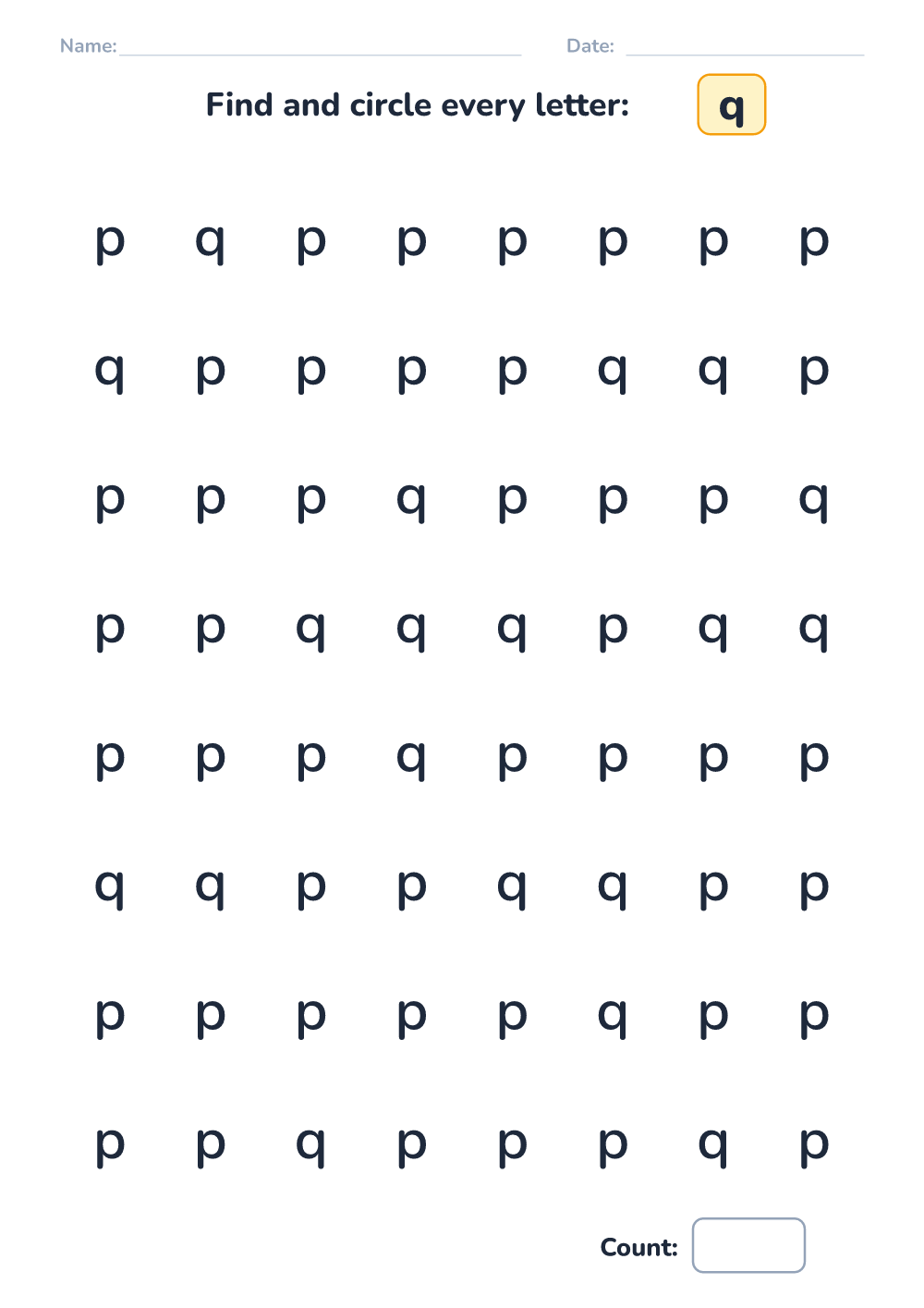
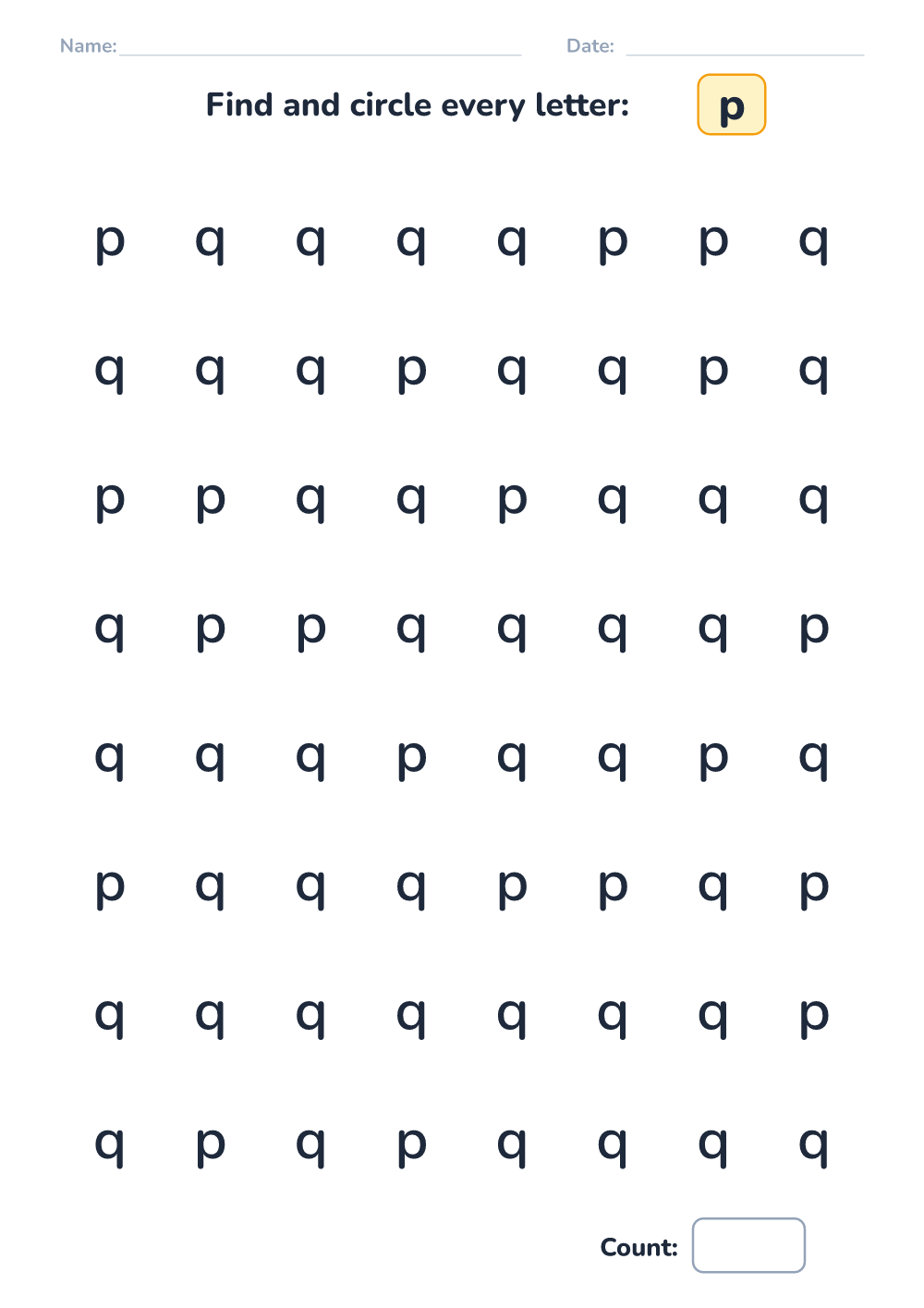
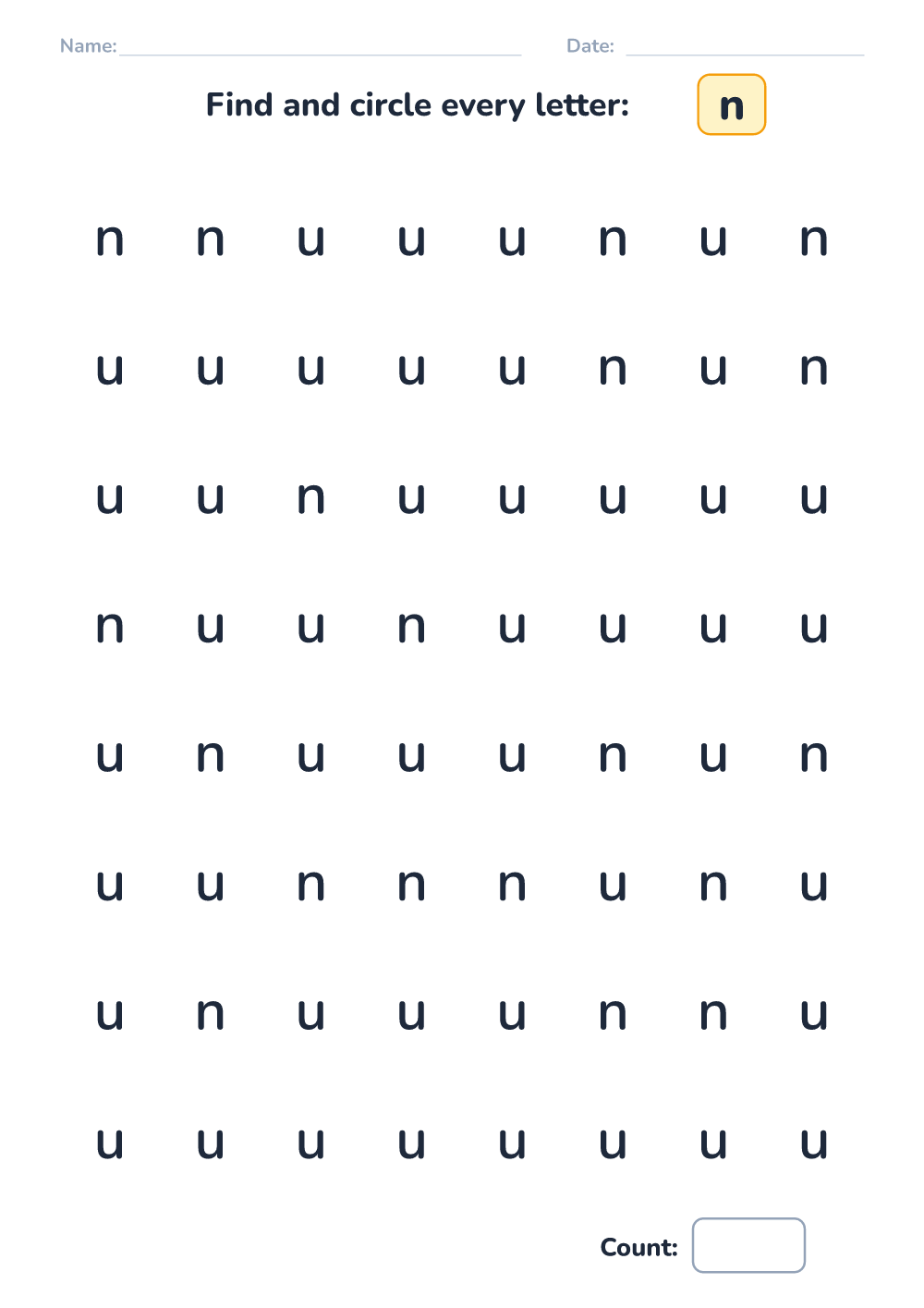
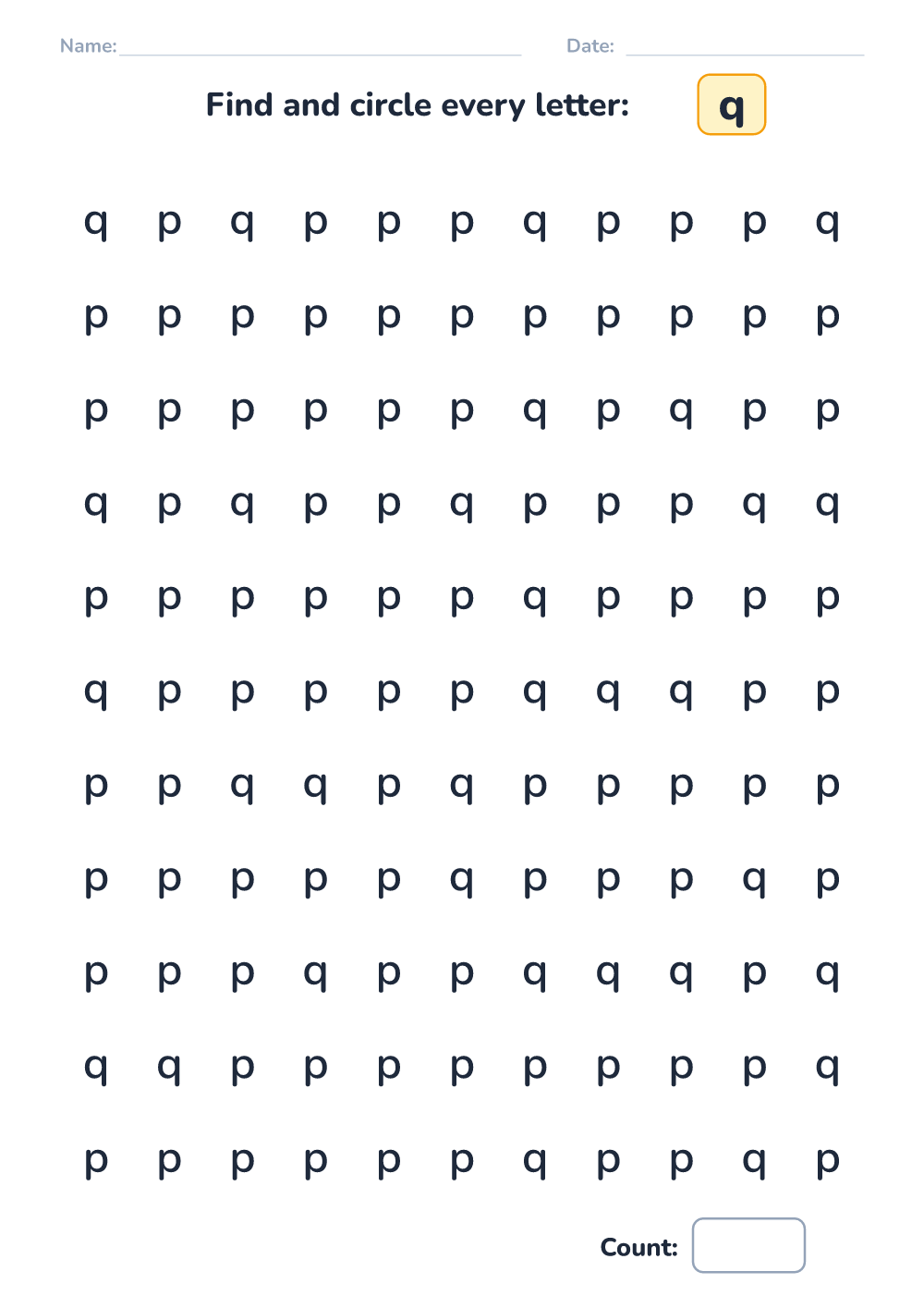
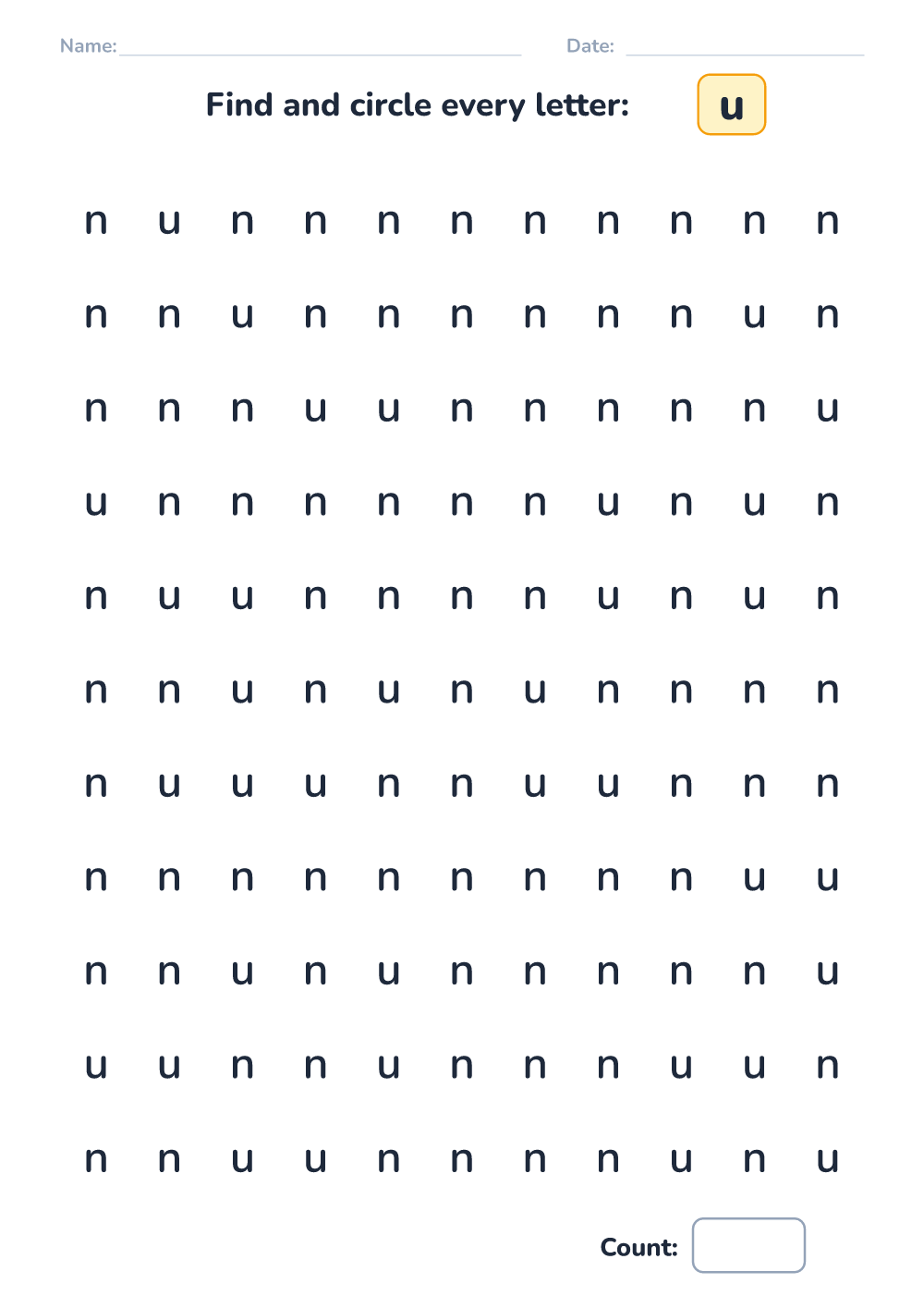
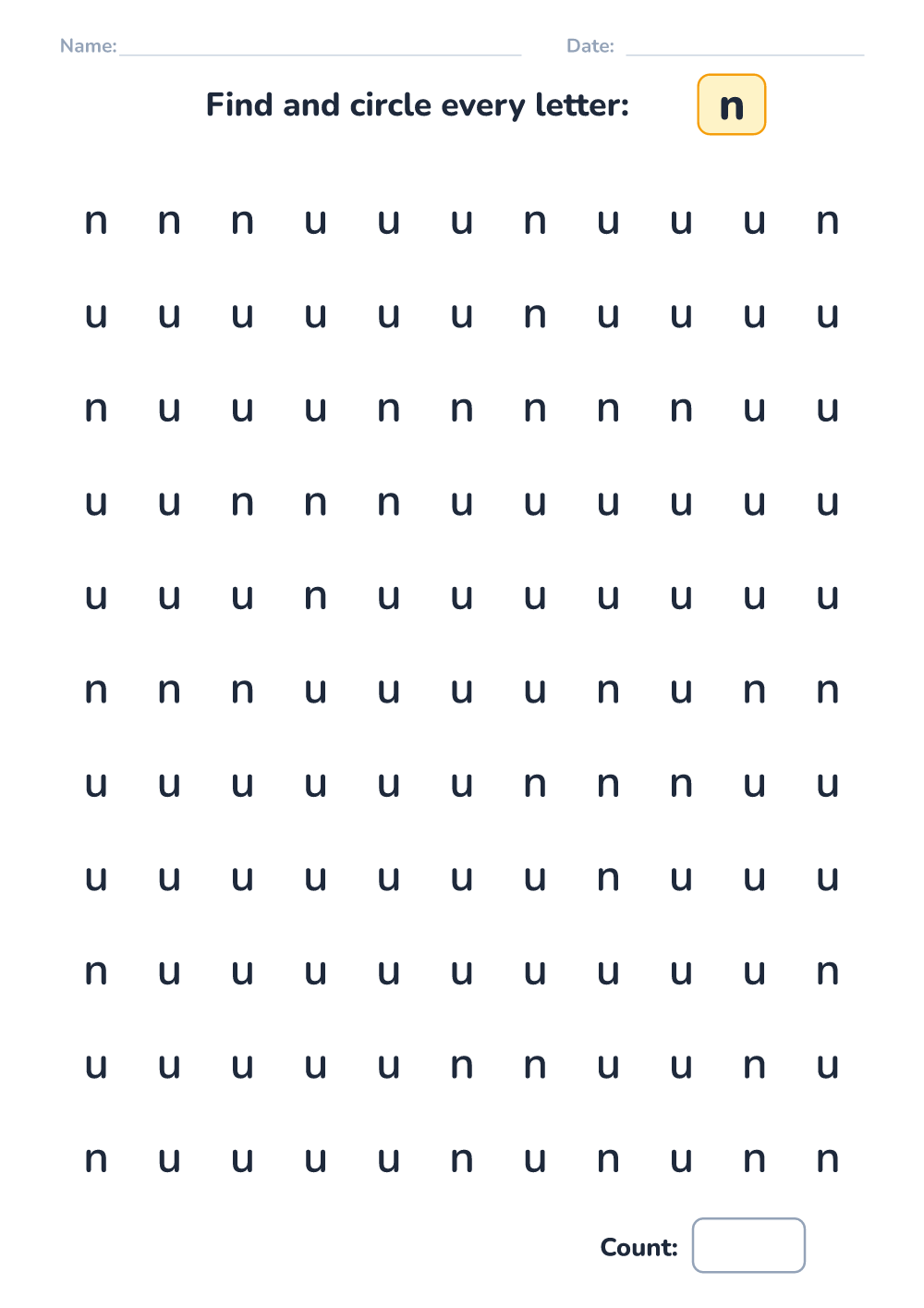
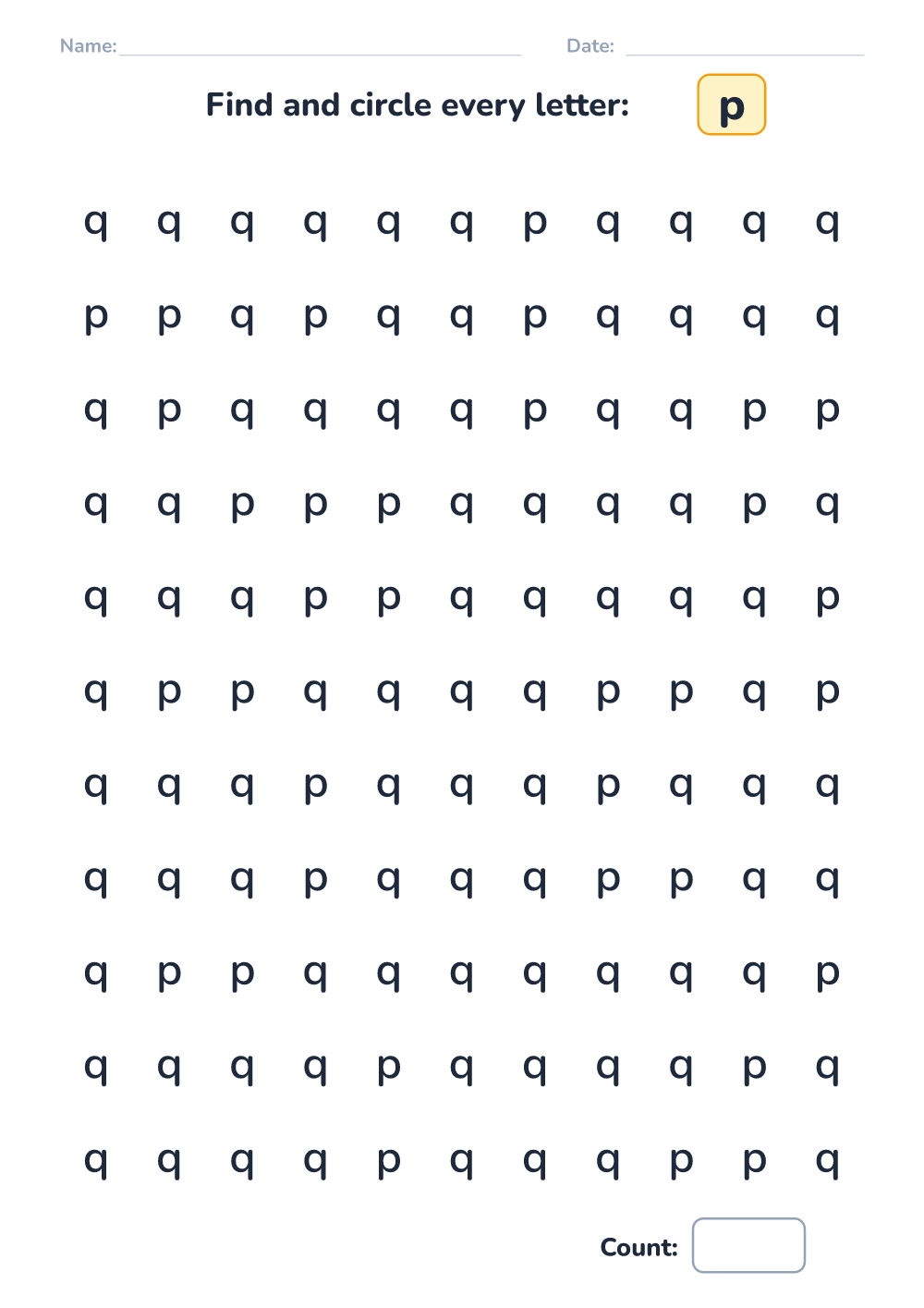
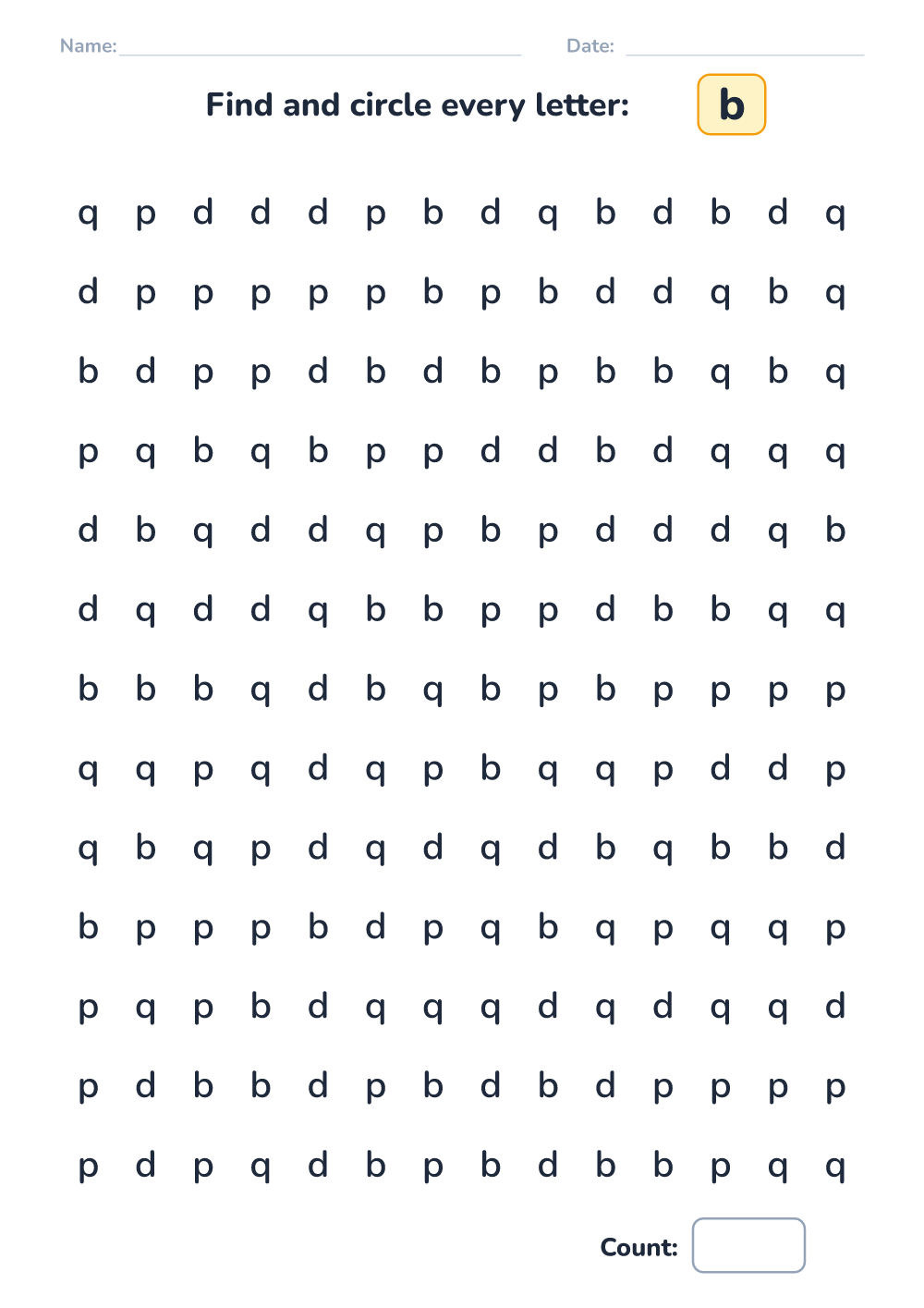
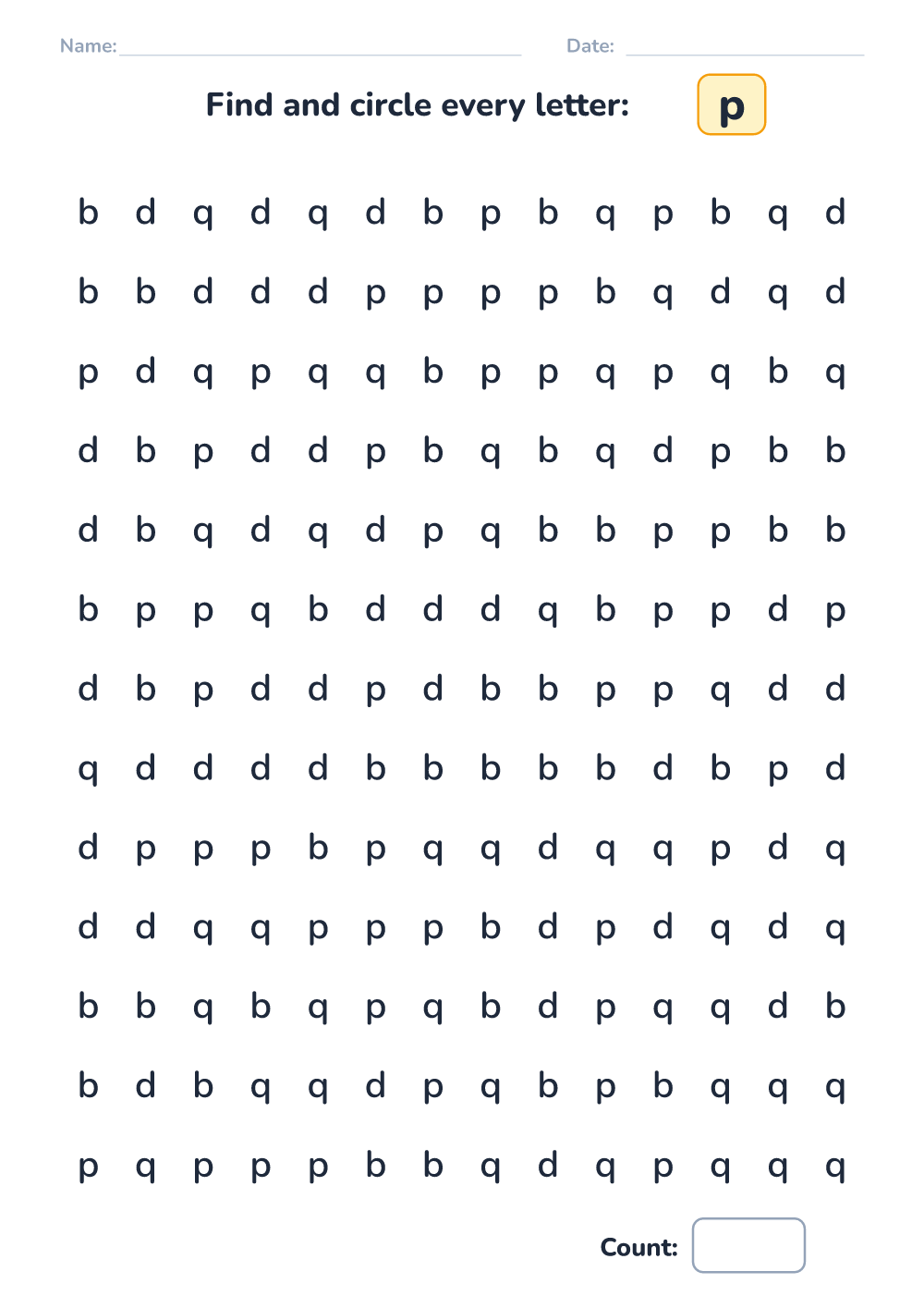
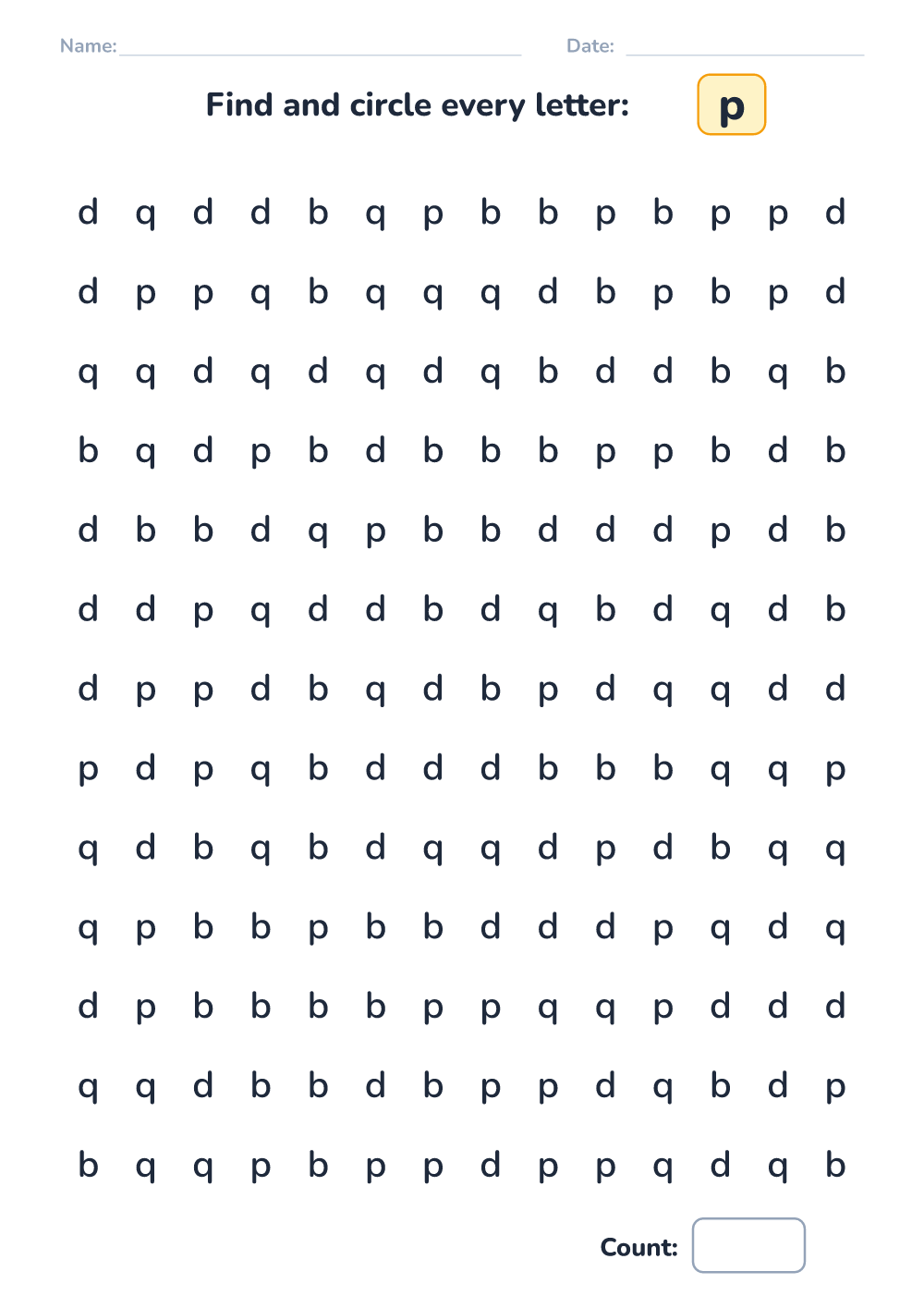
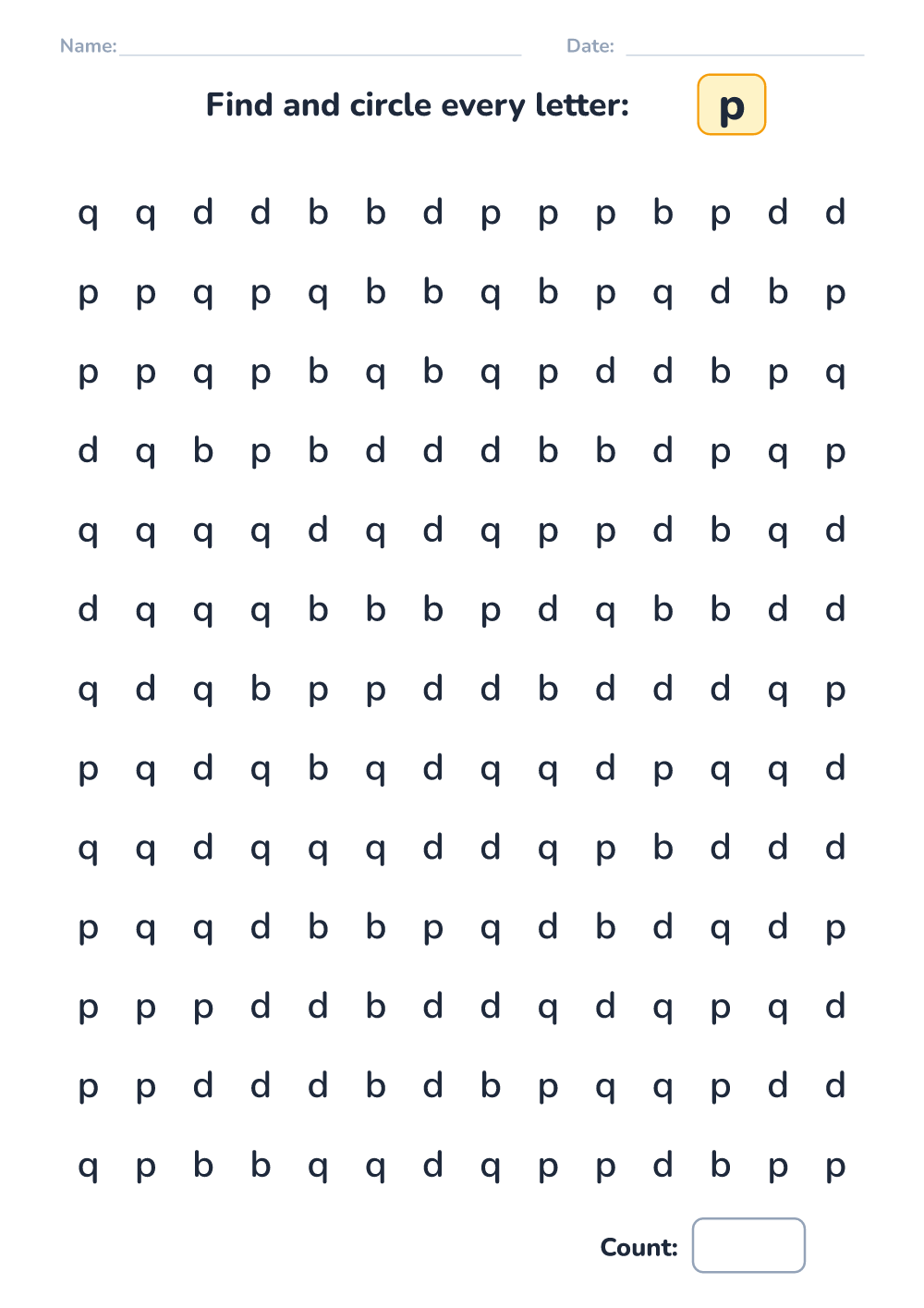
Find letters that look alike (e.g. b–d, p–q, m–n). Trains visual perception and letter discrimination, helpful for children with dyslexia. A4.
Level
More about Letter discrimination worksheets
These free letter discrimination worksheets focus on helping children tell b d p q apart using clear, child-friendly activities. Pages include matching, tracing and simple tasks that are colorful and suited to different skill levels, so practice feels like a small, achievable game. Everything is free to download and ready to print on A4 paper for quick use at home or in class.
Working with the sheets supports concentration, fine motor control and logical visual recognition, which all help early reading and writing confidence. The resources are designed to support children with additional learning needs and are intended to complement, not replace, work with a therapist or specialist.
Tips for parents & teachers
- 1Print at 100 percent on A4 with no scaling so sizes stay consistent.
- 2Begin together by modeling one or two examples, then let the child try while you encourage effort.
- 3Use short daily or several-times-weekly sessions of 10–15 minutes to keep focus high.
- 4Progress from single letters to matching pairs, then short words and brief sentences.